
Reducing lines in banks is one of the most immediate and visible ways to improve customer experience in retail banking. Long wait times, often characterized by customers standing in line, continue to be a major driver of dissatisfaction, directly impacting retention, revenue, and brand perception. Lines are often customers’ first and most direct interaction with bank branches, influencing their perception and long-term loyalty. According to McKinsey, improving customer journeys can increase satisfaction while reducing cost-to-serve.
In 2026, customers expect fast, seamless service across both digital and physical channels. Banks that fail to reduce wait times in banks risk losing customers to more agile competitors. The most successful institutions are combining line management systems, appointment scheduling, and real-time analytics to create more efficient, predictable branch experiences. A clear and visible system provides structure, making the experience more predictable for both customers and employees. Improved operational efficiency not only streamlines branch operations but also enhances customer experience, which often leads to increased profitability.
Introduction to Reducing Lines in Banks
Reducing bank lines is all about boosting throughput and satisfaction metrics simultaneously. Start with your core bottlenecks: check-ins, service routing, teller allocation, and wait time visibility. The best line management platforms unify these into one real-time dashboard with mobile check-ins, SMS notifications, and branch analytics, so staff spend less time managing queues and more time handling transactions. Look for systems that cut average wait times by 40-60% while increasing service capacity per hour.
Focus on scalable pricing based on transaction volume, not fixed licensing fees you’ll outgrow. Strong integration capabilities are essential (think APIs for CRM sync, mobile banking apps, and appointment scheduling) so you can connect customer profiles, service history, and predictive staffing without custom development. Analytics should go beyond basic reports: peak hour heatmaps, service time distributions, and customer satisfaction scores by branch. For deployment, prioritize vendors with pilot programs, staff training modules, and data migration support (historical patterns, customer preferences, service benchmarks). Bottom line: choose systems that reduce manual queue management by 50-70%, expose clear performance KPIs, and integrate seamlessly with your banking infrastructure. When the technology handles the logistics, your team can focus on what customers actually experience, immediate service recognition, transparent wait expectations, and efficient transaction processing.
Analyze Branch Traffic and Customer Flow
To reduce lines effectively, banks must first understand demand. Institutions need to collect detailed data on branch footfall and peak hours to identify when congestion occurs and why. Branch management can use these insights to optimize branch operations, improve staff utilization, and enhance overall service quality.
This becomes more actionable when banks segment customers by transaction type and service needs. For example, separating quick transactions from advisory interactions allows for better resource allocation. Understanding service demand through real-time monitoring enables staff to proactively respond to surges and manage operational efficiency. With this level of insight, teams can identify bottlenecks and pain points in the current line system and begin optimizing service flow.
Data-driven staffing helps banks align staff schedules with peak demand times using transaction analytics. Additionally, utilizing predictive analytics enables banks to forecast busy periods and optimize staffing accordingly.
Set Clear Goals for Line Reduction
Reducing wait times requires measurable targets. Banks must define target metrics for reducing wait times and improving customer satisfaction, ensuring that improvements are tracked and optimized over time. Line management software enhances branch efficiency by reducing wait times and balancing workloads, making it a foundational tool for streamlining operations and improving both customer service and staff morale.
These targets should align line management objectives with overall branch performance goals, connecting operational improvements directly to revenue and efficiency. At the same time, institutions must map the ideal customer journey to streamline service delivery, ensuring that every interaction is structured and intentional. When wait times decrease and workloads balance, branches process more transactions with the same staff, directly impacting the bottom line.
The Importance of Customer Interaction
Effective line management is all about boosting customer retention and operational margins simultaneously whilst creating shorter lines. Start by mapping your current flow: check-ins, service routing, wait time visibility, and staff allocation. Long waits kill satisfaction faster than any product feature, so focus on systems that give customers control and transparency. When people know their position and estimated wait time, frustration drops by 40–60%, even if actual wait times stay the same.
Look for platforms that blend physical and digital touchpoints seamlessly, think mobile check-ins, SMS notifications, and self-service kiosks that handle routine transactions without staff intervention. Strong integration matters: your line system should sync with core banking platforms, appointment scheduling, and customer relationship tools so tellers see full context before each interaction. Real-time analytics are essential, track peak hours, service time per transaction type, and customer flow patterns to optimize staffing. Bottom line: choose solutions that cut manual coordination by 30–50%, surface clear wait time metrics, and let your team focus on what customers actually value, personalized service, quick resolution, and feeling heard when they walk through your doors.
Deploy a Bank Line Management System
A modern bank line management system is essential for reducing in-branch congestion. Leading institutions are implementing solutions that support both virtual and physical lines, giving customers flexibility in how they access services. Modern queue management systems offer advanced features such as virtual line support, mobile integration for appointment booking and check-in, and seamless omni-channel service delivery.
Effective systems typically include:
- The ability to integrate mobile app booking, online appointment scheduling, and SMS notifications
- Tools to enable real-time line monitoring for staff and branch managers
- Integration with banking software and customer databases for seamless operations
A line management system should integrate with existing banking systems and infrastructure, including core banking software and customer databases.
By combining these capabilities, banks can shift from reactive queue management to proactive flow control, significantly reducing wait times in banks.
Modern line management systems enhance customer experience by providing real-time wait time estimates and notifications. Virtual line systems allow for real-time notifications such as SMS alerts for customers when their turn is approaching.
Promote Digital and Mobile Banking Channels
Reducing lines is not just about improving the branch. It is also about reducing unnecessary demand. Banks that encourage customers to use online platforms and mobile apps for routine transactions can dramatically lower in-branch traffic. Digital channels, including mobile devices, play a crucial role in facilitating banking transactions and reducing branch visits by allowing customers to access services efficiently without needing to be physically present.
This approach is strengthened when institutions provide virtual line options to reduce physical crowding in branches, allowing customers to wait remotely. To drive adoption, banks must educate customers on the benefits and usage of digital banking services, reinforcing convenience and ease of use. Banks must also actively promote the use of their mobile apps and online platforms to reduce in-branch traffic and improve customer experience.
Real-time technology enables financial institutions to deliver a faster, more efficient experience, reducing the need for customers to visit a branch.
Enhance In-Branch Self-Service Capabilities
Self-service plays a critical role in modern lobby management. Banks can install self-service kiosks for common transactions like deposits and balance inquiries, enabling customers to complete simple tasks without staff assistance. These self-service solutions allow customers to manage their transactions and wait times independently, reducing the need for direct interaction with bank staff. Self-service kiosks can handle up to 60% of routine transactions, such as document printing or account updates.
More advanced branches are beginning to utilize AI-powered kiosks to handle routine service requests efficiently, further reducing line pressure. These AI-powered self-service kiosks free human tellers for complex transactions that require personalized service. To ensure adoption, institutions must provide clear signage and assistance to guide customers in using self-service options.
Organizing service categories helps direct customers to the appropriate staff or self-service options, improving efficiency.
Optimize Staffing and Resource Allocation
Staffing strategy has a direct impact on wait times. Banks must use analytics to align staffing levels with peak demand periods, ensuring that resources match customer flow. Monitoring service demand in real time is crucial for optimizing resource allocation and enabling staff to respond proactively to changes in customer volume.
To improve flexibility, leading institutions are:
- Cross-training staff to handle multiple service types and improve flexibility
- Deploying floating staff to manage unexpected surges in walk-in customers
This dynamic approach allows banks to maintain service levels without overstaffing, improving both efficiency and customer experience. A successful line management system should provide real-time monitoring of customer flow and service demand to help staff manage resources efficiently.
Improve Customer Communication and Experience
Reducing frustration is not only about speed but also about transparency. Banks can use digital signage and mobile notifications to keep customers informed about wait times and queue status, improving the perceived experience.
In addition, institutions should offer customer education programs on new line management tools and digital services, helping customers navigate new processes. Maintaining trust is essential, which is why banks must ensure transparency and fairness in the queueing process to build trust.
Understanding the Customer Journey
Understanding your customer journey is the backbone of line management that actually moves the needle on satisfaction and efficiency. Start by mapping every single touchpoint: online scheduling, mobile check-ins, lobby arrivals, teller interactions, even the exit experience. Dig into your customer data and you’ll spot the real patterns: rush hour bottlenecks, appointment no-shows, peak transaction windows. This is about finding where your operation bleeds time and frustration so make it count.
Your customer flow management system should handle walk-ins and scheduled appointments without breaking a sweat, allocating staff where they’re actually needed instead of where you think they should be. Look for line management software that plays nicely with your existing stack, appointment platforms, mobile apps, core banking systems, without requiring digital duct tape to hold it together. When everything syncs seamlessly, wait times drop by 20-30%, customer satisfaction scores climb, and your team stops juggling three different screens just to serve one customer. Bottom line: nail the entire journey from first click to final handshake, and you’ll turn line management from a daily headache into your competitive edge.
Integrate Appointment Scheduling with Line Management
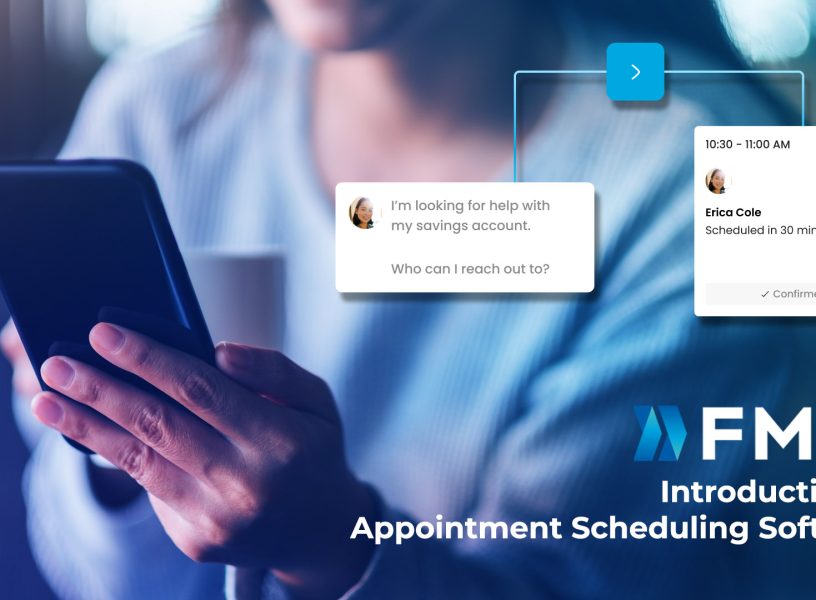
Appointment scheduling is one of the most effective ways to reduce wait times in banks. Institutions that enable online and mobile appointment booking to streamline customer flow can better manage demand and reduce unpredictability.
To maximize efficiency, banks must combine appointment scheduling with walk-in traffic for balanced service delivery, ensuring that all customers are served effectively. This becomes even more powerful when institutions use intelligent routing to direct customers to the most appropriate service representatives.
Leverage Real-Time Data and Analytics
Real-time visibility is critical for continuous optimization. Banks must monitor key performance indicators like wait times and transaction throughput to understand branch performance.
This allows institutions to identify service bottlenecks and test process improvements, refining operations over time. By providing actionable insights to branch managers for ongoing optimization, analytics becomes a core operational capability rather than a reporting function.
Streamline Branch Workflows and Processes
Inefficient processes often drive longer lines. Manual processes, such as physical waiting in line and handwritten logs, contribute to inefficiencies and poor customer experience. Banks should focus on implementing quick-win improvements to reduce transaction handling times, simplifying workflows wherever possible.
Automation is a key enabler. Institutions that automate routine tasks to free staff for complex services can significantly improve throughput. At the same time, developing scripts and guidelines to enhance customer interaction efficiency ensures consistent and effective service delivery.
A line management system is a digital solution that automates workflows and processes in banks.
Manage Change and Train Staff
Technology and strategy must be supported by people. Banks should begin by conducting pilot programs to test new queue management strategies, allowing for refinement before full deployment.
Successful adoption requires strong enablement. Institutions must provide comprehensive training to staff on new systems and procedures, ensuring confidence and consistency. Throughout implementation, banks should collect feedback and adjust processes during rollout to ensure smooth adoption.
Measure Impact and Continuously Improve
Reducing lines is not a one-time initiative. Banks must track customer satisfaction metrics such as NPS and CSAT before and after implementation to measure success.
In addition, institutions should analyze operational cost savings and efficiency gains, ensuring that improvements deliver measurable business value. To sustain results, banks need to schedule regular reviews to refine queue management strategies and maintain high service quality.
Final Thoughts
In 2026, reducing lines in banks is about more than operational efficiency. It is about delivering a better, more predictable, and more valuable customer experience.
Banks that invest in line management systems, appointment scheduling, analytics, and staffing optimization will be best positioned to reduce wait times, improve satisfaction, and drive stronger branch performance.